
Committed to quality, compassionate care, and your peace of mind.
Contact us today to learn more about our services.
A Family Guide to Caring for Aging Parents at Home
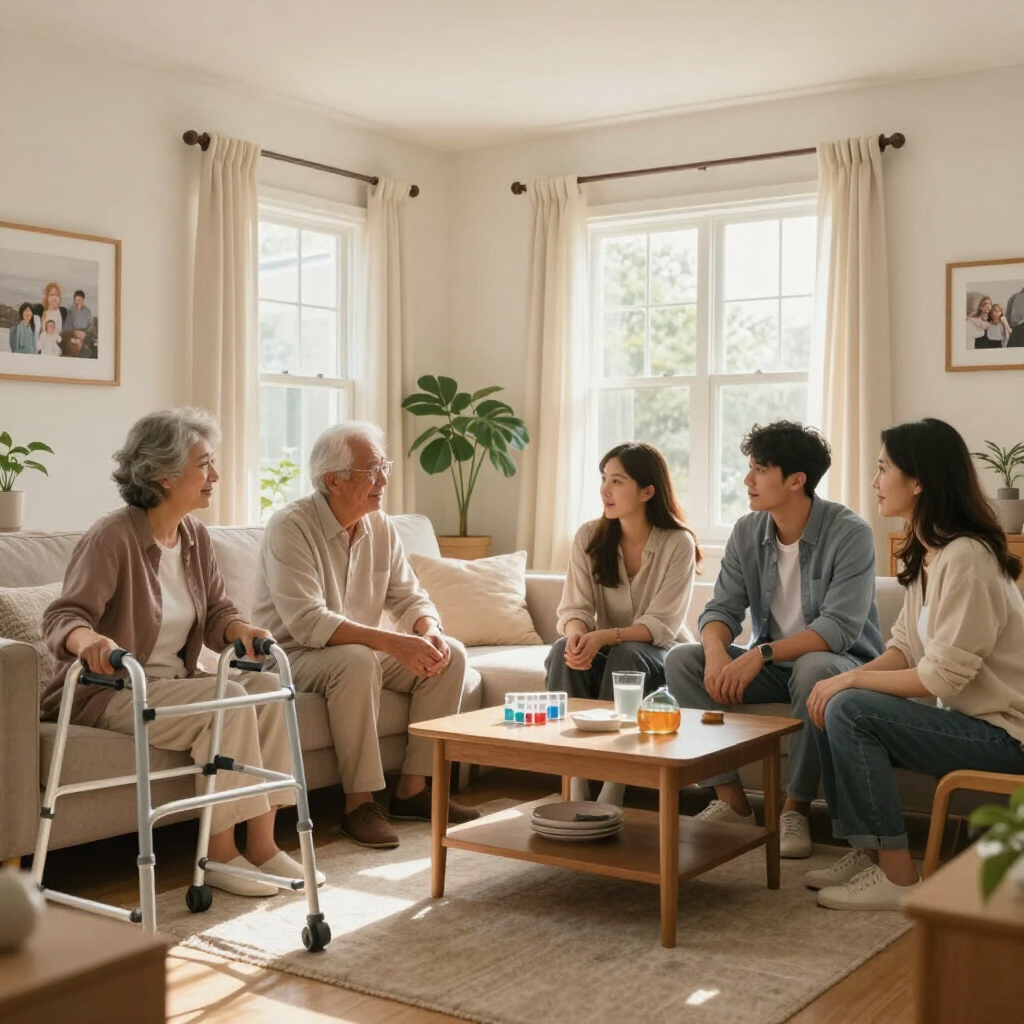
As parents grow older, many families find themselves stepping into the role of caregiver. While it can be deeply meaningful to support the people who once cared for us, caring for aging parents at home also comes with emotional, physical, and logistical challenges. Families often balance caregiving with work responsibilities, raising children, and maintaining their own households.
Providing care at home allows seniors to remain in familiar surroundings while receiving support with daily routines. However, families must plan carefully to ensure their loved ones remain safe, comfortable, and healthy.
Understanding how to manage caregiving responsibilities effectively can make the experience more positive for both seniors and their families. With the right strategies and support, families in Utica, NY can help their loved ones maintain independence while receiving compassionate care at home.
Why Many Families Choose Home Care for Aging Parents
Many seniors strongly prefer to remain in their homes as they age. Familiar surroundings, personal belongings, and established routines provide a sense of comfort and security that can be difficult to replicate in a care facility.
Families often choose home-based care because it offers several important benefits.
Familiar Environment
Remaining at home allows seniors to stay in a place filled with memories and comfort. This familiarity can reduce stress and confusion, particularly for seniors experiencing memory challenges.
Personalized Care
Care provided at home can be tailored to the specific needs and preferences of the individual. Seniors receive one-on-one attention rather than shared care in a facility setting.
Maintaining Independence
Home care allows seniors to continue managing many aspects of their daily lives while receiving help only when needed.
Stronger Family Connections
Caring for a parent at home often allows families to remain closely involved in their loved one’s daily life.
Understanding Your Parent’s Needs
Before developing a caregiving plan, it is important to evaluate your parent’s physical, emotional, and practical needs.
Every individual’s situation is different. Some seniors remain largely independent, while others may require more frequent assistance.
Key areas to evaluate include:
- Mobility and balance
- Medication management
- Ability to prepare meals
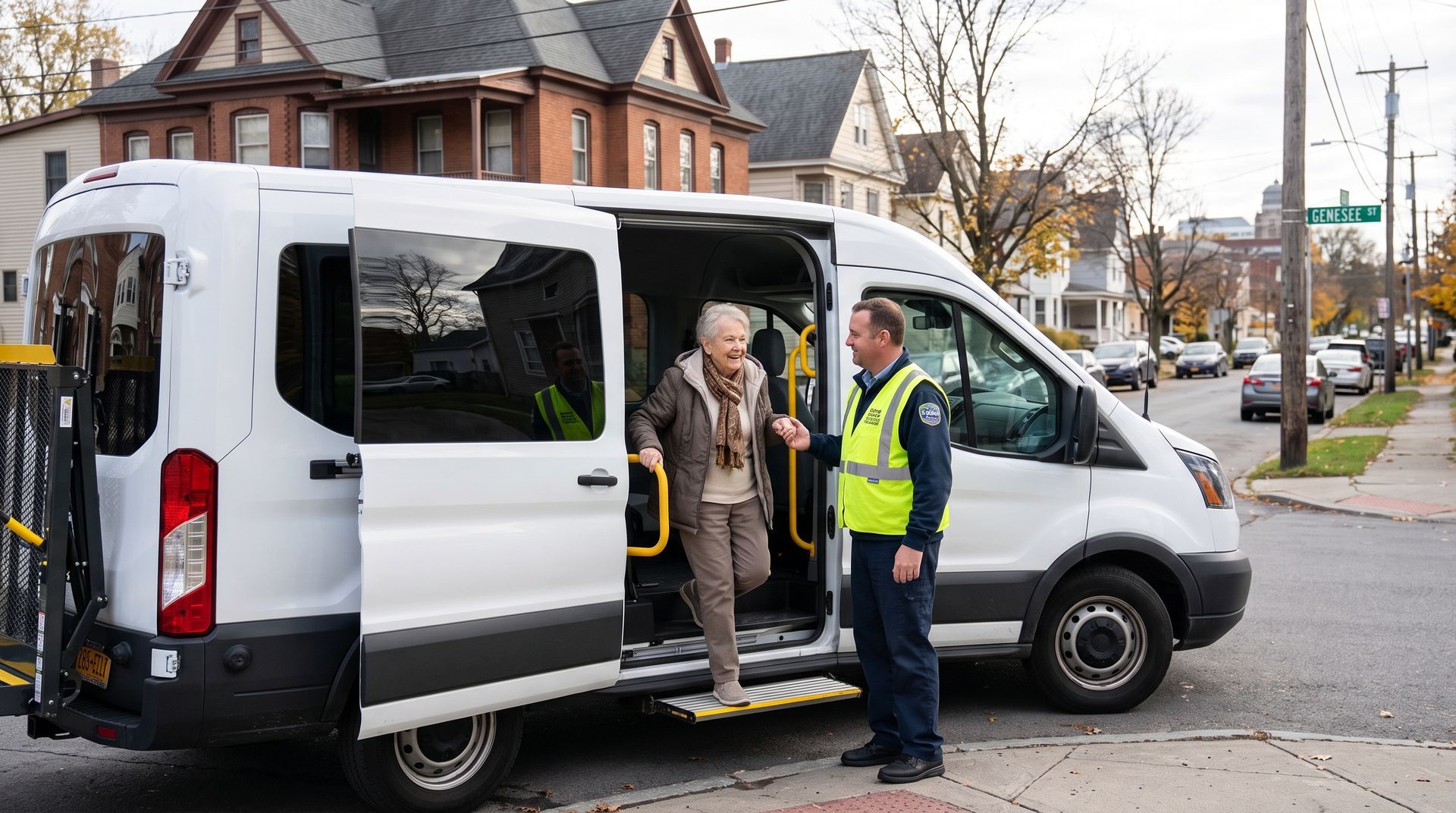
- Transportation needs
- Household maintenance
- Memory and cognitive function
- Emotional well-being
Understanding these needs helps families determine what level of care and support may be necessary.
Creating a Safe Living Environment
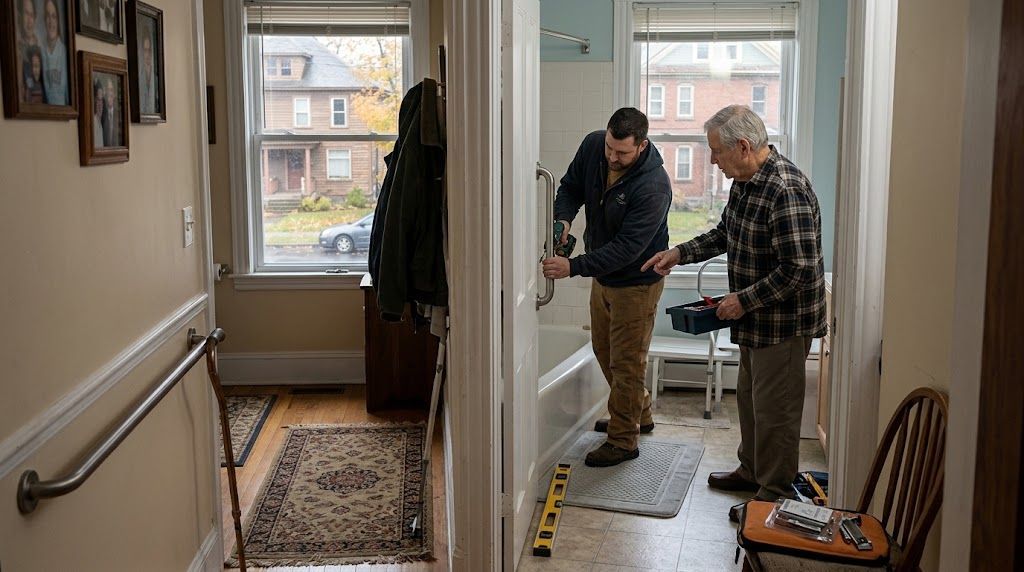
Safety is one of the most important considerations when caring for aging parents at home. As mobility changes, homes may need adjustments to reduce the risk of accidents or falls.
Some safety improvements may include:
- Removing loose rugs and tripping hazards
- Installing grab bars in bathrooms
- Improving lighting throughout the home
- Keeping frequently used items within easy reach
- Ensuring stairways have secure handrails
These adjustments help create a safer environment where seniors can move around more confidently.
Helping With Daily Activities
Many seniors need occasional assistance with everyday tasks that become more difficult with age.
Family caregivers often help with activities such as:
- Preparing meals
- Grocery shopping
- Managing medications
- Light housekeeping
- Laundry
- Transportation to appointments
Providing assistance with these tasks helps seniors maintain their daily routines while reducing stress.
However, it is important to encourage independence whenever possible. Allowing seniors to participate in activities they are capable of performing can help preserve confidence and mobility.
Maintaining Emotional Well-Being
Emotional health is just as important as physical health when caring for aging parents. Many seniors experience feelings of loneliness, especially if they live alone or have lost friends or a spouse.
Families can support emotional well-being by:
- Spending quality time together
- Encouraging hobbies or activities
- Helping seniors stay socially connected
- Arranging visits with friends or relatives
- Encouraging light physical activity
Regular conversation and companionship can greatly improve a senior’s mood and outlook.
Balancing Caregiving With Your Own Life
Family caregiving can be rewarding, but it can also be demanding. Many caregivers experience stress when trying to balance caregiving responsibilities with work, family, and personal needs.
To maintain balance, caregivers should remember the importance of:
- Taking regular breaks
- Asking other family members for support
- Maintaining personal health and well-being
- Seeking outside assistance when necessary
Recognizing personal limits is important for preventing caregiver burnout.
When Professional Home Care Can Help
Many families eventually find that additional support is necessary to maintain a healthy caregiving routine. Professional home care services can provide valuable assistance that complements family caregiving.
Caregivers can help with tasks such as:
- Companion care
- Meal preparation
- Medication reminders
- Transportation to appointments
- Light housekeeping
- Respite care for family caregivers
Professional support allows family members to focus on spending meaningful time with their loved ones while ensuring practical needs are met.
Planning for Changing Needs
Aging is a gradual process, and a senior’s needs may change over time. Families should remain flexible and prepared to adjust care plans when necessary.
Regularly evaluating your parent’s well-being helps ensure they receive the right level of support as their needs evolve.
Open communication between family members and caregivers can help ensure everyone understands the care plan and any adjustments that may be needed.
Encouraging Independence
One of the most important aspects of caregiving is helping seniors maintain their independence and dignity.
Whenever possible, encourage aging parents to remain involved in decisions about their care and daily routines. Respecting their preferences helps them feel valued and in control of their lives.
Simple actions such as allowing seniors to choose meals, schedule activities, or participate in household tasks can reinforce independence.
Frequently Asked Questions
How do families know when a parent needs help at home?
Signs may include difficulty preparing meals, missed medications, mobility challenges, or increased isolation.
Is it possible to care for aging parents while working full time?
Yes, but many families benefit from additional support such as professional home care services or help from other family members.
What are the biggest challenges family caregivers face?
Common challenges include balancing responsibilities, managing stress, and ensuring seniors receive consistent support.
Can professional caregivers work alongside family caregivers?
Yes. Many families combine family caregiving with professional support to create a balanced care plan.
Compassionate Support for Families in Utica, NY
Caring for aging parents at home is a meaningful responsibility that requires patience, planning, and support. With the right resources and assistance, families can create a safe and comfortable environment where their loved ones can thrive.
Tatiana's Band Of Angels, LLC provides compassionate in-home care services for seniors throughout Utica and surrounding communities within a 25-mile radius. Their caregivers assist with companionship, daily reminders, meal preparation, transportation, and other supportive services that help seniors maintain independence.
Families who would like to explore home care options can reach out during business hours to discuss personalized support and care solutions.
Phone:
(315) 327-8072
Email:
bandofangels21@gmail.com
Hours: Monday – Sunday, 9:00 AM – 5:00 PM
Recent Posts

Committed to quality, compassionate care, and your peace of mind.
Contact us today to learn more about our services.