
Committed to quality, compassionate care, and your peace of mind.
Contact us today to learn more about our services.
Aging in Place: How to Make Home Safer for Seniors in Utica, NY
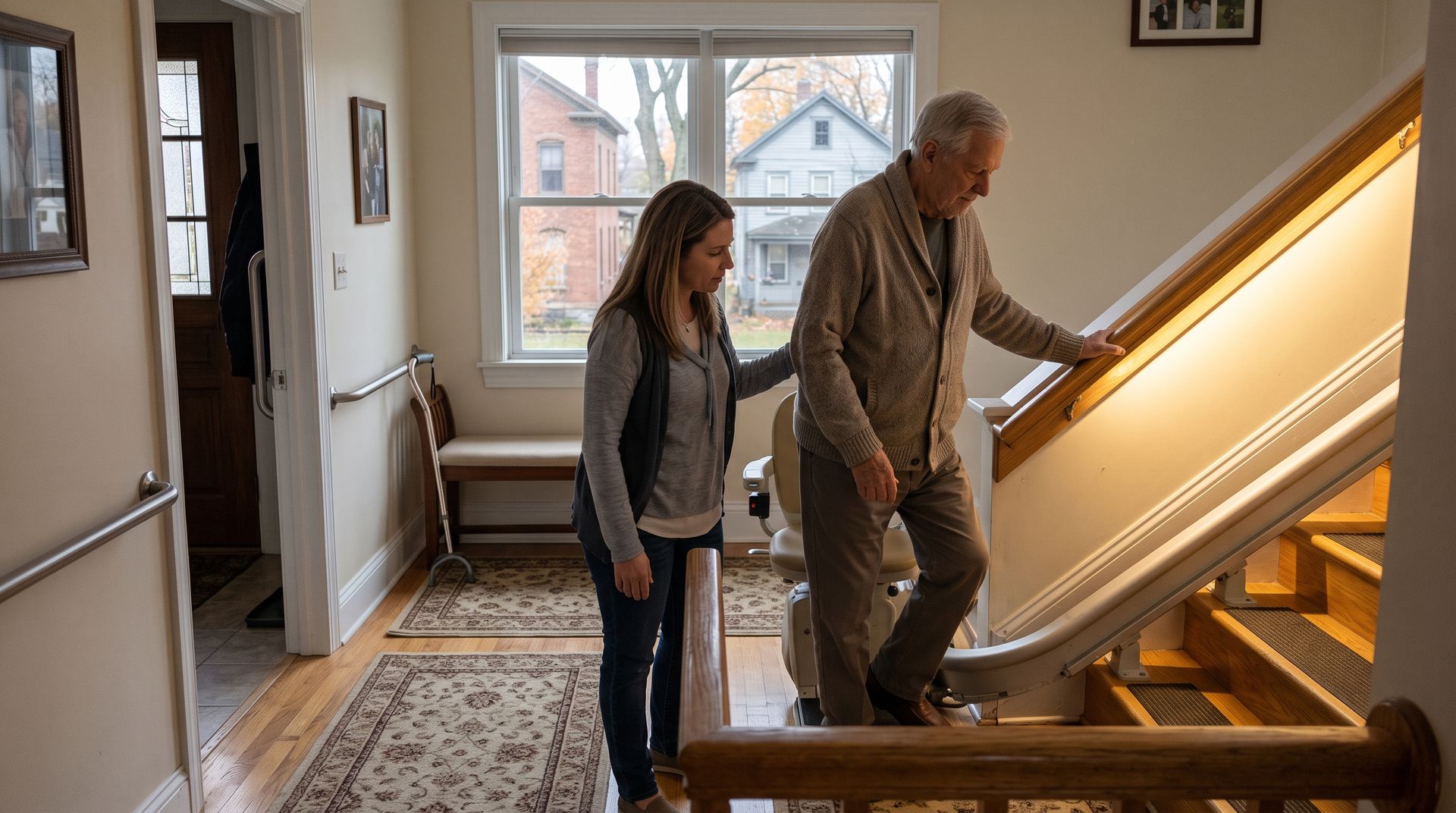
What Does It Take to Age Safely at Home?
Aging in place means continuing to live in your own home as you grow older rather than relocating simply because everyday activities have become more difficult. For many seniors in Utica, NY, successful aging in place comes down to two things: creating a safer home environment and having reliable support available when needed.
Small changes can make a meaningful difference. Removing tripping hazards, improving lighting, making frequently used items easier to reach, arranging transportation, and getting assistance with meals or daily routines can all help an older adult remain independent.
Families do not necessarily have to wait until a serious problem occurs. Planning ahead can make aging at home safer, more comfortable, and less stressful.
Why Do So Many Seniors Want to Remain at Home?
Home represents much more than a physical building. It may be where someone raised a family, celebrated holidays, built relationships with neighbors, and created decades of memories.
Remaining in familiar surroundings also allows seniors to preserve established routines. They know where things are, recognize their neighborhood, and can continue enjoying familiar spaces.
Aging in place may allow seniors to:
- Maintain greater control over daily routines
- Stay close to friends and neighbors
- Remain surrounded by familiar possessions
- Preserve a stronger sense of independence
- Receive personalized assistance based on actual needs
However, wanting to remain home and being able to do so safely are not always the same thing. Families should periodically consider whether the home and daily routine still match their loved one's abilities.
Start by Looking for Fall Hazards
Falls are an important safety concern for older adults, so one of the first steps in preparing a home for aging in place is identifying unnecessary hazards.
Walk through the home from the perspective of someone whose balance, vision, or mobility may not be what it once was.
Look for:
- Loose area rugs
- Electrical cords crossing walkways
- Clutter on floors
- Unstable furniture
- Slippery surfaces
- Poorly lit hallways
- Uneven steps
- Frequently used items stored too high or too low
A home does not have to undergo a complete renovation to become safer.
Sometimes simple changes, such as clearing a pathway between the bedroom and bathroom, can make everyday movement easier.
If your loved one has experienced falls or significant changes in balance, discuss those concerns with an appropriate healthcare professional.
Improve Lighting Throughout the Home
Good lighting becomes increasingly important as people age.
Dim hallways, staircases, entryways, and bathrooms can make it harder to identify obstacles. Families should ensure that frequently used areas have adequate lighting and that switches are easy to reach.
Consider adding:
- Brighter bulbs where appropriate
- Nightlights between the bedroom and bathroom
- Lighting near stairs
- Easy-to-access bedside lamps
- Exterior lighting near entrances
Natural light can also make living spaces feel more comfortable and inviting during the day.
A useful exercise is to visit the home in the evening. A room that appears perfectly safe at noon may reveal dark corners and poorly illuminated pathways after sunset.
Make the Bathroom Easier to Navigate
Bathrooms deserve particular attention because wet surfaces and limited space can create additional challenges for seniors.
Depending on the person's needs, families may consider safety features such as securely installed grab bars, non-slip surfaces, improved lighting, and easier access to commonly used items.
Avoid assuming that improvised solutions are adequate. For example, towel racks are not designed to function as grab bars.
Larger modifications should be evaluated and installed by qualified professionals when appropriate.
Caregivers can complement a safer physical environment by providing support with daily routines and being present when an older adult benefits from additional assistance.
Create a Safer, More Convenient Kitchen
The kitchen is another important area to evaluate.
Aging adults may find it increasingly difficult to bend down, reach high shelves, lift heavy cookware, or stand for extended periods.
Frequently used items should be stored where they can be reached comfortably. Heavy pots and appliances should not require awkward lifting.
Families should also periodically check for expired food and make sure nutritious options are readily available.
If cooking itself becomes difficult, meal preparation assistance can be especially valuable. A caregiver can help prepare meals and reduce the physical demands associated with everyday cooking.
This support can allow seniors to continue enjoying meals at home without having to manage every step independently.
Pay Attention to Medication Routines
A safe home is not only about preventing falls. Daily routines also matter.
Many seniors take several medications, sometimes at different times throughout the day. Complicated schedules can become difficult to manage, particularly after a new prescription or hospital stay.
Families can encourage organization by keeping an up-to-date medication list and following instructions from healthcare professionals.
Non-medical caregivers may provide medication reminders according to an established schedule. They do not replace medical professionals or independently change prescriptions.
If a senior is regularly missing doses, taking incorrect amounts, or becoming confused about medication, the family should contact an appropriate healthcare professional.
Make Transportation Part of the Aging-in-Place Plan
A senior may be perfectly comfortable inside the home but still lose independence if transportation becomes difficult.
Consider how your loved one will get to:
- Medical appointments
- Grocery stores
- Pharmacies
- Family gatherings
- Community activities
- Religious services
- Other important destinations
When driving is no longer practical, reliable transportation becomes an important part of aging in place.
Patient and senior transportation services can help older adults continue attending appointments and completing essential errands without relying exclusively on relatives.
For families around Utica, having a dependable transportation plan can be just as important as making physical changes to the home.
Do Not Overlook Social Isolation
A home can be physically safe while still becoming socially isolating.
Seniors who no longer work, drive, or regularly attend activities may gradually spend more time alone. The loss of a spouse or close friends can further reduce daily interaction.
Companion care provides meaningful social contact while also supporting everyday routines.
Depending on the individual's interests, companionship might include:
- Conversation
- Cards or games
- Reading
- Listening to music
- Appropriate walks
- Hobbies
- Accompaniment on errands or outings
Regular human interaction can make living at home more enjoyable while giving families reassurance that someone is checking in.
Build a Routine That Supports Independence
One of the best ways to help an aging adult remain independent is to create a predictable routine without making the person feel controlled.
A routine might include consistent times for meals, medications, appointments, activities, and caregiver visits.
The senior should remain involved in these decisions whenever possible.
Instead of asking, "What can Mom no longer do?" consider asking, "What support would make it easier for Mom to keep doing what matters to her?"
That shift in perspective is important.
Effective in-home care should support independence rather than unnecessarily replace it.
Know When Family Caregiving Is Becoming Too Much
Many aging-in-place arrangements depend heavily on relatives. Family involvement can be invaluable, but it also needs to be sustainable.
Watch for situations where one person becomes responsible for nearly everything: transportation, meals, household tasks, appointments, companionship, and daily check-ins.
A family caregiver who is constantly exhausted or unable to manage other responsibilities may need additional support.
Respite care allows another caregiver to temporarily provide agreed-upon assistance so the primary family caregiver can rest or handle personal responsibilities.
Sharing care can help families maintain a healthier long-term arrangement.
Frequently Asked Questions About Aging in Place
What is aging in place?
Aging in place generally means remaining in one's home and community while adapting support and services as needs change with age.
How can I make my elderly parent's home safer?
Start by evaluating fall hazards, lighting, stairs, bathrooms, kitchens, and frequently used pathways. Consider your parent's individual mobility and routines rather than relying on a generic checklist.
Can in-home care help someone remain independent?
Yes. Appropriate in-home support can help seniors manage tasks that have become difficult while allowing them to continue making choices and following familiar routines.
When should a family consider professional home care?
Consider additional support when daily activities such as meal preparation, transportation, household routines, medication schedules, or regular social interaction become difficult to manage safely.
Where can I find senior care near me in Utica, NY?
Families searching for senior care around Utica can compare local providers based on available services, scheduling, insurance, communication, and the ability to customize support around the senior's needs.
Helping Seniors Age at Home in Utica, NY
Aging in place works best when families plan ahead. A safer home, dependable transportation, nutritious meals, companionship, and assistance with challenging daily tasks can help an older adult continue enjoying the comfort and familiarity of home.
Tatiana's Band Of Angels, LLC is a bonded and insured non-medical companion caregiving agency serving Utica and surrounding communities within approximately a 25-mile radius. Services include in-home care, companion care, respite care, patient transportation, meal preparation for elderly adults, medication assistance and reminders, and other caregiving support tailored to individual needs.
If your loved one wants to remain at home but everyday responsibilities are becoming more challenging, consider discussing which specific types of assistance could make independent living easier.
Phone:
(315) 327-8072
Email:
bandofangels21@gmail.com
Business Hours: Monday–Sunday, 9:00 AM–5:00 PM
Service Area: Utica, NY and surrounding communities within approximately 25 miles
Recent Posts

Committed to quality, compassionate care, and your peace of mind.
Contact us today to learn more about our services.