
Committed to quality, compassionate care, and your peace of mind.
Contact us today to learn more about our services.
How Companion Care Reduces Loneliness in Elderly Adults

Reducing Loneliness Through Care
Loneliness is one of the most common challenges faced by older adults. As people age, they often experience life changes that reduce their daily social interactions. Retirement, the loss of a spouse, reduced mobility, or family members living far away can all contribute to feelings of isolation.
While many seniors live independently, living alone does not always mean they feel connected or socially fulfilled. Over time, loneliness can affect both emotional and physical health. Companion care is a valuable service that helps address this issue by providing seniors with regular social interaction, emotional support, and assistance with daily activities.
For seniors in Utica, NY and surrounding communities, companion care services offer more than just practical help. They provide meaningful human connection that improves quality of life and supports overall well-being.
Understanding Loneliness Among Seniors
Loneliness among older adults is more common than many people realize. As social circles change over time, seniors may find themselves spending long periods without meaningful interaction.
Several life changes contribute to this experience.
Loss of a Spouse or Close Friends
Many seniors experience the loss of lifelong partners or friends as they age. These losses can significantly reduce daily social interaction and emotional support.
Family Members Living Far Away
Modern families often live in different cities or states. Even when family members visit regularly, seniors may still spend much of their time alone.
Limited Mobility
Health conditions or mobility limitations can make it difficult for seniors to attend social events, visit friends, or participate in community activities.
Retirement
Leaving the workforce removes a major source of daily interaction and routine for many individuals.
When these changes combine, seniors may begin to feel disconnected from others.
Health Effects of Loneliness
Loneliness is not just an emotional concern. Research has shown that long-term social isolation can impact both physical and mental health.
Some of the potential effects include:
- Increased risk of depression
- Higher stress levels
- Memory decline
- Reduced physical activity
- Weakened immune system
- Increased risk of heart disease
Seniors who experience loneliness may also lose motivation to maintain healthy routines such as preparing meals, exercising, or attending appointments.
Companion care helps address these challenges by providing regular interaction and support.
What Is Companion Care?
Companion care is a type of non-medical home care designed to provide social interaction, emotional support, and assistance with daily activities.
Caregivers focus on building relationships with seniors while helping them maintain their routines and independence.
Companion caregivers may spend time with seniors by:
- Having conversations and sharing stories
- Playing games or puzzles
- Watching movies or television
- Taking walks
- Listening to music
- Engaging in hobbies
These interactions create meaningful connections that improve emotional well-being.
How Companion Care Helps Reduce Loneliness
Companion care provides several important benefits that help seniors feel more connected and supported.
Regular Social Interaction
One of the most effective ways to reduce loneliness is through consistent social interaction. Caregivers provide friendly conversation and companionship that many seniors look forward to each day.
Regular visits can transform a quiet, isolated day into an engaging and enjoyable experience.
Emotional Support
Caregivers often become trusted companions for seniors. They listen, provide encouragement, and create a supportive environment where seniors feel valued and respected.
This emotional connection can greatly improve a senior’s mood and overall outlook.
Encouraging Activities and Hobbies
Companion caregivers often encourage seniors to participate in activities they enjoy. These activities may include crafts, reading, gardening, or simple exercise.
Engaging in hobbies helps seniors stay mentally active and provides a sense of purpose.
Promoting Physical Activity
Even light physical activity such as walking can improve both physical and emotional health. Caregivers may accompany seniors on short walks or encourage safe movement throughout the day.
Staying active supports mobility and helps improve mood.
Helping Seniors Stay Connected With Others
Caregivers may assist seniors with phone calls, video chats, or visits with friends and family members. Maintaining these connections helps seniors feel less isolated.
The Importance of Human Connection
Human connection plays a critical role in emotional health at every stage of life. For seniors, meaningful interaction can be just as important as physical care.
Having someone who listens, shares conversation, and spends time together can brighten a senior’s day and improve their sense of belonging.
Companion caregivers provide consistent, reliable interaction that many seniors come to appreciate deeply.
Additional Support Provided Through Companion Care
In addition to companionship, caregivers often assist with practical tasks that help seniors maintain independence.
These services may include:
- Meal preparation
- Medication reminders
- Light housekeeping
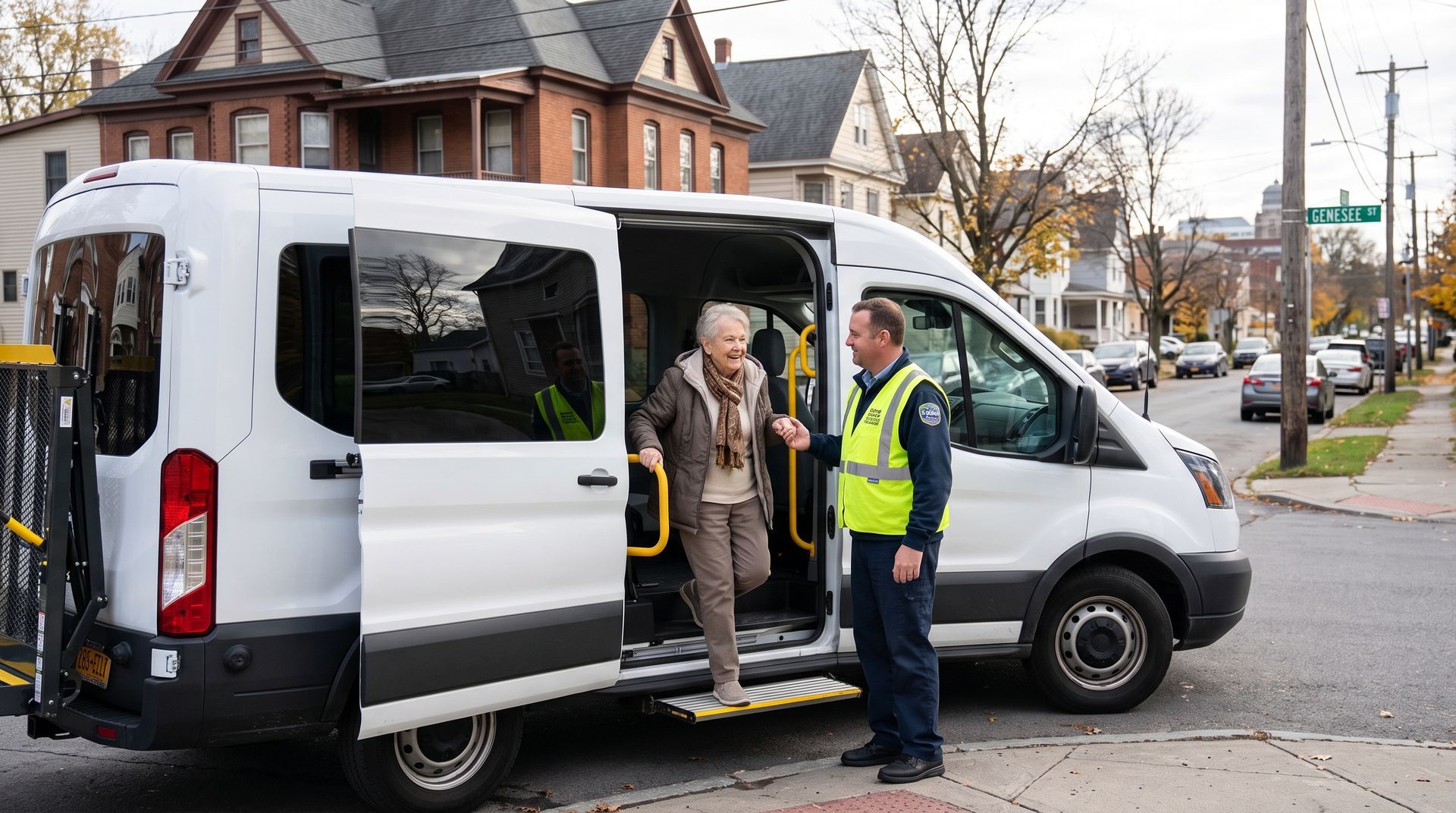
- Transportation to appointments
- Running errands or grocery shopping
This combination of companionship and assistance helps seniors maintain a comfortable daily routine.
How Companion Care Supports Families
Companion care also provides important benefits for family members. Many families worry about loved ones who spend long periods alone.
Having a caregiver regularly visit provides reassurance that someone is checking in and offering support.
Families often feel more confident knowing their loved one has someone available for conversation, assistance, and companionship.
Signs a Senior May Be Experiencing Loneliness
Families may notice certain signs that indicate a loved one may be feeling isolated.
Common signs include:
- Withdrawal from social activities
- Loss of interest in hobbies
- Increased sadness or irritability
- Changes in appetite
- Sleeping more than usual
- Avoiding phone calls or visits
If these signs appear, regular companionship can help improve emotional well-being.
Why Many Families Choose Companion Care
Companion care is often one of the first types of home care families choose because it provides meaningful support without requiring major lifestyle changes.
Some key benefits include:
- Seniors remain in familiar surroundings
- Flexible scheduling options
- Personalized attention and companionship
- Support with daily tasks
- Reduced loneliness and isolation
These benefits help seniors maintain a higher quality of life while remaining independent.
Frequently Asked Questions
Is companion care only for seniors who live alone?
No. Companion care can benefit any senior who would enjoy additional social interaction and support.
How often can companion care visits occur?
Visits can be scheduled based on the needs of the individual. Some seniors receive a few hours of care each week, while others may have daily visits.
Can companion caregivers help with errands?
Yes. Caregivers often assist with errands such as grocery shopping or picking up prescriptions.
Does companion care improve mental health?
Regular social interaction and emotional support can significantly improve mood and reduce feelings of loneliness.
Compassionate Companion Care in Utica, NY
Loneliness can have a significant impact on the well-being of seniors, but compassionate companionship can make a meaningful difference. Regular interaction, conversation, and support help seniors feel connected and valued.
Tatiana's Band Of Angels, LLC provides compassionate companion care services for seniors throughout Utica and nearby communities within a 25-mile radius. Their caregivers are dedicated to supporting elderly adults with companionship, daily reminders, and assistance that enhances independence and quality of life.
Families who would like to learn more about companion care services can contact the team during business hours to discuss personalized care options.
Phone:
(315) 327-8072
Email:
bandofangels21@gmail.com
Hours: Monday – Sunday, 9:00 AM – 5:00 PM
Recent Posts

Committed to quality, compassionate care, and your peace of mind.
Contact us today to learn more about our services.