
Committed to quality, compassionate care, and your peace of mind.
Contact us today to learn more about our services.
The Cost of In-Home Care in Utica, NY: What Families Should Expect

When a loved one begins to need assistance with daily activities, families often start exploring care options. One of the most common questions people ask is how much in-home care costs and what services are included. Understanding the cost of care can help families plan ahead and make informed decisions that support both their loved one’s well-being and their financial situation.
In-home care allows seniors to remain in the comfort of their own homes while receiving help with daily routines, companionship, meal preparation, medication reminders, and transportation. For many families in Utica, NY, in-home care offers a more personalized and comfortable alternative to assisted living facilities or nursing homes.
While costs can vary depending on the level of care needed, understanding the factors that influence pricing can help families determine the best care plan for their loved one.
Why Many Families Choose In-Home Care
Before discussing costs, it is helpful to understand why in-home care is becoming one of the most popular options for senior care.
Many seniors prefer to remain in familiar surroundings rather than moving into a facility. Staying at home allows them to maintain routines, stay connected to their community, and keep their independence.
Families often choose in-home care because it provides:
- Personalized support tailored to the individual
- Flexible care schedules
- One-on-one attention
- Comfort and familiarity of home
- Greater involvement for family members
For seniors who do not require full-time medical supervision, in-home care can provide exactly the level of support they need.
Factors That Affect the Cost of In-Home Care
The cost of in-home care is not the same for every individual. Several factors influence pricing depending on the level of support required.
Number of Care Hours Needed
One of the biggest factors affecting cost is how many hours of care are needed each week.
Some seniors may only require a few hours of support per week for tasks such as grocery shopping or companionship. Others may require daily assistance or even around-the-clock care.
Common care schedules may include:
- A few hours per week
- Several hours per day
- Full-day care
- Overnight care
- 24/7 care support
As the number of care hours increases, the overall cost will also increase.
Type of Services Provided
Different types of services may affect the cost of care. Non-medical services typically include assistance with daily living activities such as:
- Companion care
- Meal preparation
- Medication reminders
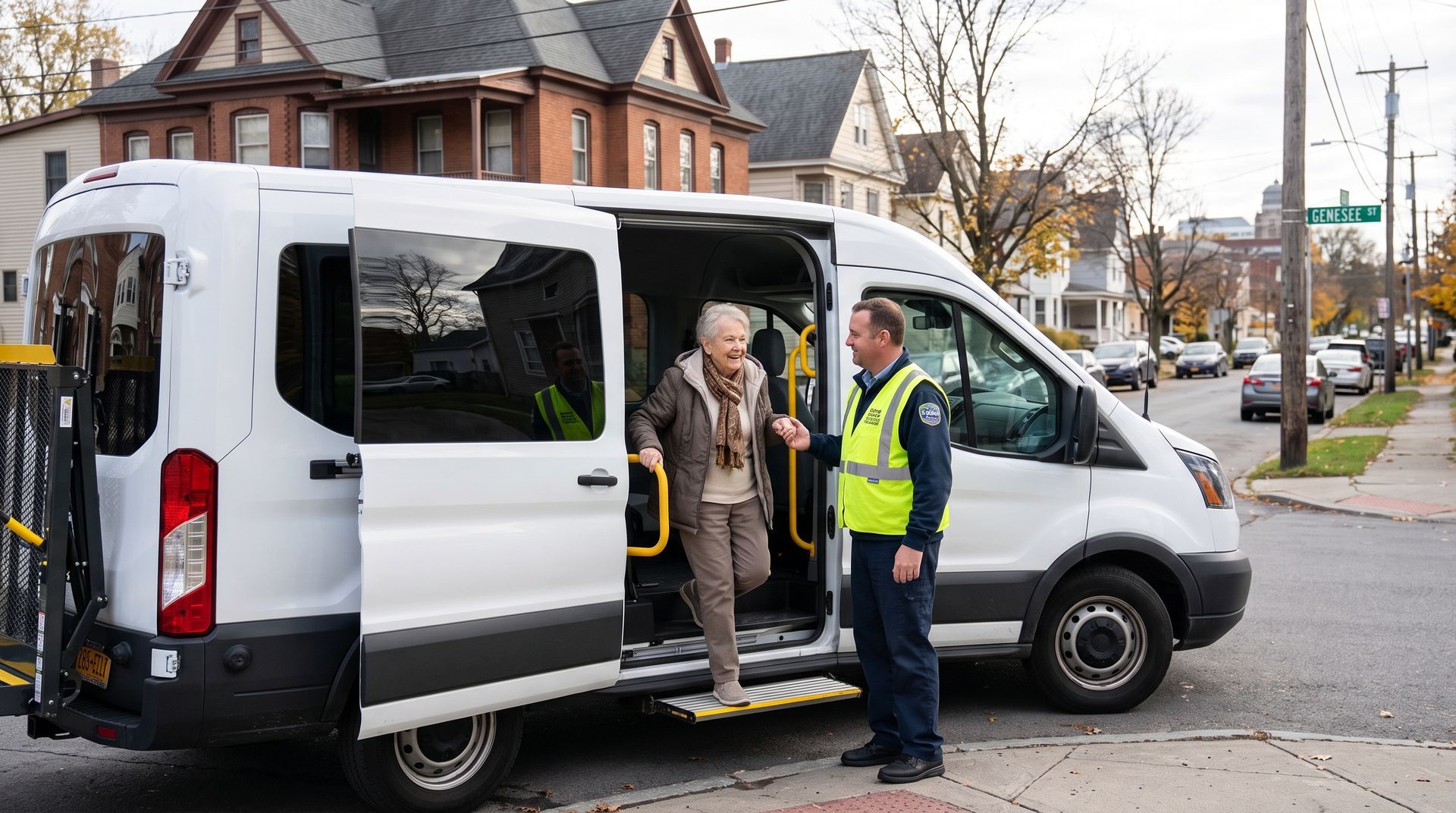
- Transportation
- Light housekeeping
- Errands and shopping
More specialized services or extended care hours may result in higher costs.
Level of Personal Assistance Required
Some seniors require minimal support, while others need assistance with many daily tasks.
For example, a senior who needs occasional transportation and companionship will likely require fewer care hours than someone who needs daily support with multiple routines.
Overnight or Around-the-Clock Care
Some seniors require supervision during nighttime hours or continuous care throughout the day and night.
24-hour care provides consistent supervision and assistance, which can significantly impact the overall cost.
Location and Local Care Providers
Costs can vary based on location and the availability of care providers in a particular region. Care services in the Utica, NY area may differ slightly from pricing in larger metropolitan areas.
Local agencies typically structure their pricing based on service availability, caregiver experience, and scheduling needs.
Average Cost of In-Home Care
While exact pricing varies, national averages can help families understand what to expect.
Across the United States, non-medical home care services often range from $25 to $35 per hour depending on the level of care and location.
For families who require regular weekly support, this may translate to:
- Part-time care: Several hundred dollars per week
- Daily care: Several thousand dollars per month
- 24-hour care: Higher monthly costs depending on the schedule
Because every situation is unique, care agencies typically discuss needs with families before recommending a personalized care plan.
Comparing In-Home Care to Other Senior Care Options
Understanding how in-home care compares to other senior living options can also help families evaluate costs.
Assisted Living Communities
Assisted living facilities typically charge a monthly fee that includes housing, meals, and some assistance services.
While this option works well for some seniors, it requires relocating from home and adapting to a shared living environment.
Nursing Homes
Nursing homes provide around-the-clock medical care for seniors with serious health conditions. These facilities often have significantly higher monthly costs due to medical staffing and specialized care.
In-Home Care
In-home care allows seniors to remain at home while receiving only the services they need. Families can adjust care schedules as needs change, which offers flexibility and personalized support.
For many families, the ability to customize services makes in-home care a practical and comfortable solution.
Financial Planning for Senior Care
Planning ahead for senior care can help families manage expenses more effectively.
Some families use a combination of financial resources to pay for in-home care, such as:
- Personal savings
- Retirement income
- Long-term care insurance
- Family support
Each family’s financial situation is different, and discussing care options early can help create a manageable plan.
Why Personalized Care Plans Matter
Because every senior has different needs, personalized care plans are essential when determining both services and cost.
A care plan typically considers factors such as:
- Daily routines
- Health considerations
- Mobility needs
- Social interaction preferences
- Transportation requirements
- Household support needs
Personalized care ensures seniors receive the exact level of support needed to maintain comfort and independence.
When Families Should Begin Exploring Care Options
Many families begin researching care options after noticing changes in a loved one’s daily routine.
Some common signs include:
- Difficulty preparing meals
- Missed medications
- Increased forgetfulness
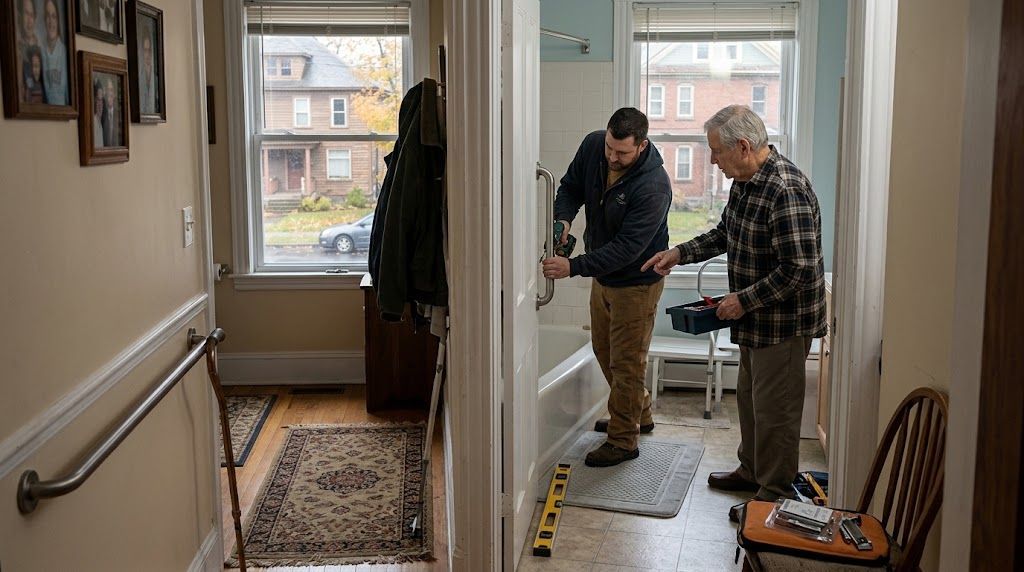
- Trouble maintaining the home
- Reduced mobility
- Increased isolation
Exploring care options early can help families create a plan before challenges become more serious.
Frequently Asked Questions
Is in-home care more affordable than assisted living?
In many cases, part-time in-home care can be more affordable because families only pay for the hours of support needed.
Can in-home care schedules be adjusted?
Yes. Care schedules are flexible and can be adjusted as needs change.
Do seniors need full-time care to use in-home services?
No. Many seniors begin with only a few hours of care each week.
Does in-home care allow seniors to remain independent?
Yes. In-home care is designed to support independence while providing assistance with tasks that may become difficult.
Compassionate In-Home Care in Utica, NY
Understanding the cost of senior care is an important step in planning for the future. In-home care allows seniors to remain in familiar surroundings while receiving the support they need to live safely and comfortably.
Tatiana's Band Of Angels, LLC provides compassionate in-home care services for seniors throughout Utica and nearby communities within a 25-mile radius. Their caregivers focus on helping elderly adults maintain independence while providing dependable assistance with daily routines.
Families who would like to learn more about available care options can reach out during business hours to discuss personalized services and scheduling.
Phone:
(315) 327-8072
Email:
bandofangels21@gmail.com
Hours: Monday – Sunday, 9:00 AM – 5:00 PM
Recent Posts

Committed to quality, compassionate care, and your peace of mind.
Contact us today to learn more about our services.