
Committed to quality, compassionate care, and your peace of mind.
Contact us today to learn more about our services.
What Does Companion Care Include? A Guide for Families

Understanding Companion Care
As people age, everyday tasks and social connections can become more difficult to maintain. Many seniors living independently still want to remain in their homes but may benefit from extra support with daily routines and companionship. Companion care is designed to meet these needs by providing non-medical assistance that helps seniors maintain their independence, emotional well-being, and quality of life.
Companion caregivers focus on assisting with daily activities while also providing meaningful social interaction. This type of care can make a major difference for seniors who live alone, feel isolated, or need help staying organized. For families in Utica, NY, companion care provides reassurance that their loved ones are supported, safe, and cared for while continuing to live comfortably at home.
Understanding what companion care includes can help families determine whether this service is the right choice for their aging loved one.
What Is Companion Care?
Companion care is a form of non-medical home care designed to provide seniors with emotional support, social interaction, and assistance with daily living activities. Unlike medical home health services, companion care does not involve medical treatments or clinical care. Instead, it focuses on improving the overall well-being and comfort of seniors in their everyday lives.
Companion caregivers assist seniors with routine tasks, help them stay engaged socially, and provide a friendly presence that can brighten their day. Many seniors who receive companion care are still capable of living independently but may benefit from assistance with certain activities or simply enjoy having someone there for conversation and support.
This type of care is especially helpful for seniors who:
- Live alone
- Have limited mobility
- No longer drive
- Need reminders for medications or appointments
- Feel isolated or lonely
- Need help managing daily household tasks
By providing both practical assistance and companionship, companion care helps seniors maintain their independence while improving their emotional and mental well-being.
Key Services Included in Companion Care
Companion care services are flexible and can be customized to meet each individual’s needs.
Caregivers may assist with a wide range of activities that help seniors maintain a comfortable and safe lifestyle.
Friendly Conversation and Companionship
One of the most valuable aspects of companion care is social interaction. Many seniors experience loneliness, especially if they live alone or have lost a spouse or close friends.
A companion caregiver provides meaningful interaction through activities such as:
- Friendly conversations
- Playing games or cards
- Watching movies or television together
- Taking short walks
- Sharing hobbies
- Reading books or newspapers together
These simple interactions can greatly improve emotional well-being and help seniors feel more connected and valued.
Meal Preparation and Nutrition Support
Preparing healthy meals can become challenging as seniors age. Some older adults may skip meals or rely on unhealthy convenience foods because cooking feels difficult or tiring.
Companion caregivers help by:
- Preparing nutritious meals
- Assisting with grocery shopping
- Ensuring proper portion sizes
- Encouraging regular eating habits
- Following dietary guidelines
Maintaining a balanced diet is important for seniors’ overall health, energy levels, and immune system.
Medication Reminders
Managing medications properly is essential for many seniors. Forgetting to take medication or taking the wrong dosage can lead to serious health complications.
Companion caregivers provide medication reminders to ensure seniors stay on schedule with their prescriptions. While they do not administer medication, they help seniors remain organized and consistent with their medication routines.
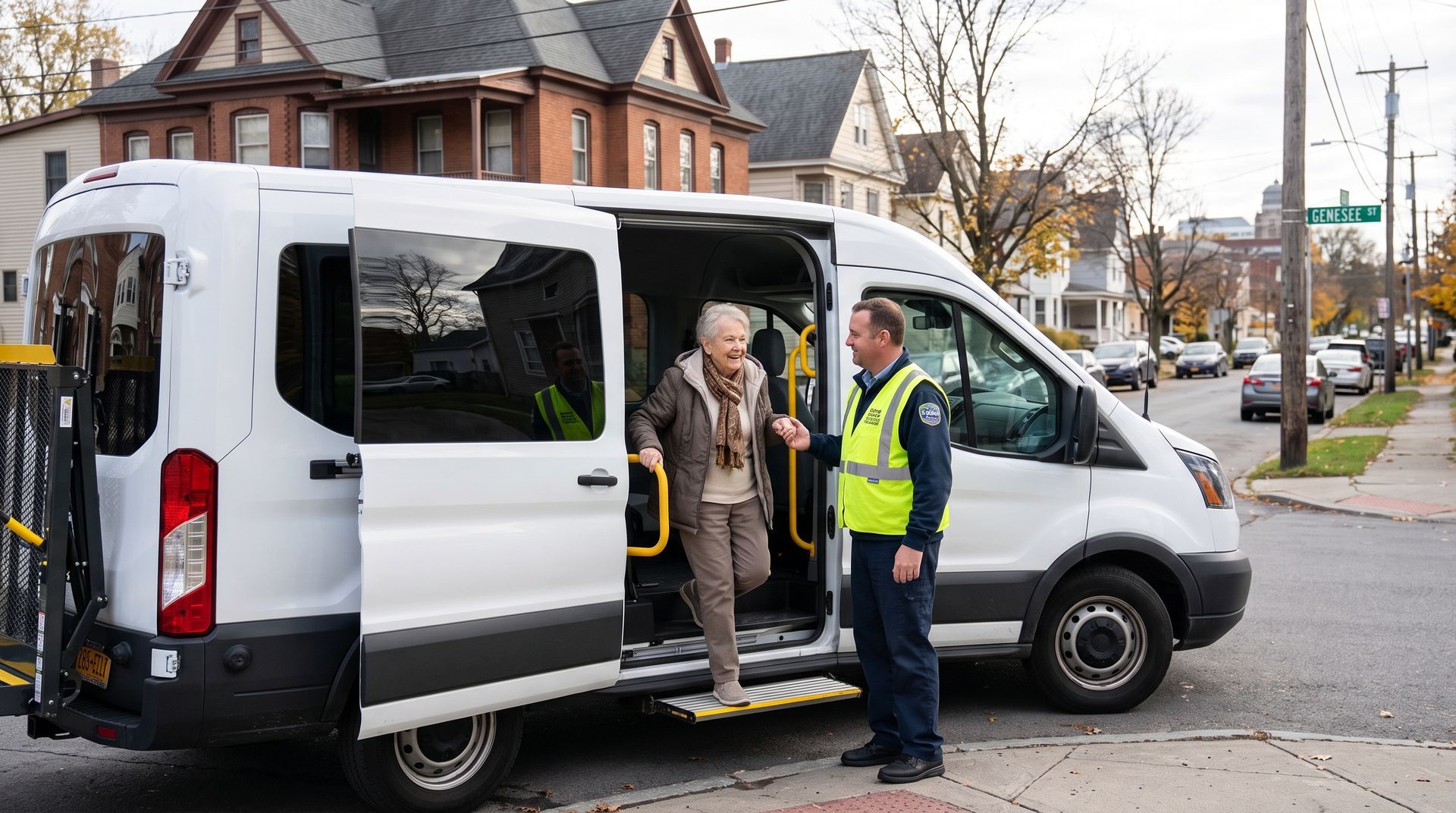
Transportation and Errands
Driving can become unsafe or difficult for many seniors. Losing the ability to drive often leads to reduced independence and fewer opportunities to leave the home.
Companion caregivers can assist with transportation to:
- Doctor appointments
- Grocery stores
- Pharmacies
- Religious services
- Social gatherings
- Family visits
This support allows seniors to remain active members of their community while maintaining their independence.
Light Housekeeping Assistance
Keeping up with household chores can become overwhelming for seniors. Companion caregivers help maintain a clean and organized home environment by assisting with light housekeeping tasks such as:
- Laundry
- Washing dishes
- Tidying living areas
- Taking out trash
- Changing bed linens
A clean and organized home helps improve safety and comfort for seniors living independently.
Appointment Reminders and Daily Organization
Many seniors benefit from gentle reminders to help them stay organized and keep track of important responsibilities.
Companion caregivers may assist with:
- Appointment reminders
- Daily schedules
- Calendar organization
- Planning activities
- Managing to-do lists
These small forms of support help seniors stay engaged and maintain their daily routines.
Emotional and Social Benefits of Companion Care
Companion care provides more than just assistance with tasks. It also offers emotional support that can significantly improve a senior’s quality of life.
Social isolation is a growing concern among older adults. Studies have shown that loneliness can contribute to depression, anxiety, and cognitive decline. Having regular companionship can help reduce these risks.
Companion caregivers provide consistent social interaction that helps seniors feel valued and connected. This emotional support often leads to:
- Improved mood
- Greater confidence
- Reduced feelings of loneliness
- Increased motivation to stay active
- Better mental health
For many seniors, the presence of a caring companion becomes one of the most meaningful parts of their daily routine.
Who Can Benefit From Companion Care?
Companion care is ideal for seniors who are still relatively independent but could benefit from additional support and social interaction.
This service is especially helpful for individuals who:
- Live alone and rarely see visitors
- Have limited transportation options
- Recently lost a spouse or partner
- Need reminders for daily tasks
- Want companionship during the day
- Need help with errands or household chores
Families who live far away often rely on companion care to ensure their loved one is not alone and has someone checking in regularly.
Companion Care vs Other Types of Home Care
Companion care is often the first step in home care services. It focuses on companionship and assistance with daily tasks rather than hands-on physical care.
Other types of home care may include personal care services such as:
- Bathing assistance
- Dressing assistance
- Mobility support
- Hygiene support
Some seniors begin with companion care and later transition to additional support if their needs change.
How Companion Care Helps Seniors Maintain Independence
Many seniors worry that accepting help means losing their independence. In reality, companion care often helps seniors remain independent longer.
By assisting with small tasks and providing occasional support, caregivers allow seniors to continue living in their homes safely and comfortably.
Companion care can help seniors:
- Maintain their daily routines
- Stay socially connected
- Manage their household
- Attend important appointments
- Continue living in familiar surroundings
This balance of support and independence allows seniors to age with dignity and confidence.
Frequently Asked Questions
Is companion care considered medical care?
No. Companion care is non-medical support that focuses on companionship and assistance with everyday activities.
How often can companion care services be scheduled?
Services can be scheduled based on individual needs. Some seniors receive care a few hours per week, while others may have daily visits.
Does companion care help seniors who feel lonely?
Yes. Companion care provides regular social interaction that can reduce feelings of isolation and improve emotional well-being.
Can companion caregivers assist with errands and shopping?
Yes. Caregivers can help with grocery shopping, pharmacy trips, and other errands that support a senior’s daily life.
Is companion care helpful for seniors who live alone?
Yes. Companion care provides reassurance and support for seniors who live independently but benefit from having someone check in regularly.
Compassionate Companion Care in Utica, NY
For families seeking dependable companion care in the Utica area, Tatiana's Band Of Angels, LLC provides compassionate in-home support designed to help seniors maintain independence and enjoy a higher quality of life.
Their caregivers understand the importance of treating every client with kindness, patience, and respect. By providing companionship, assistance with daily tasks, and emotional support, they help seniors remain comfortable and confident in their own homes.
Families within a 25-mile radius of Utica can reach out to learn more about available companion care services and how personalized care plans can support the well-being of their loved ones.
Recent Posts

Committed to quality, compassionate care, and your peace of mind.
Contact us today to learn more about our services.