What Is Non-Medical Home Care and Who Needs It?
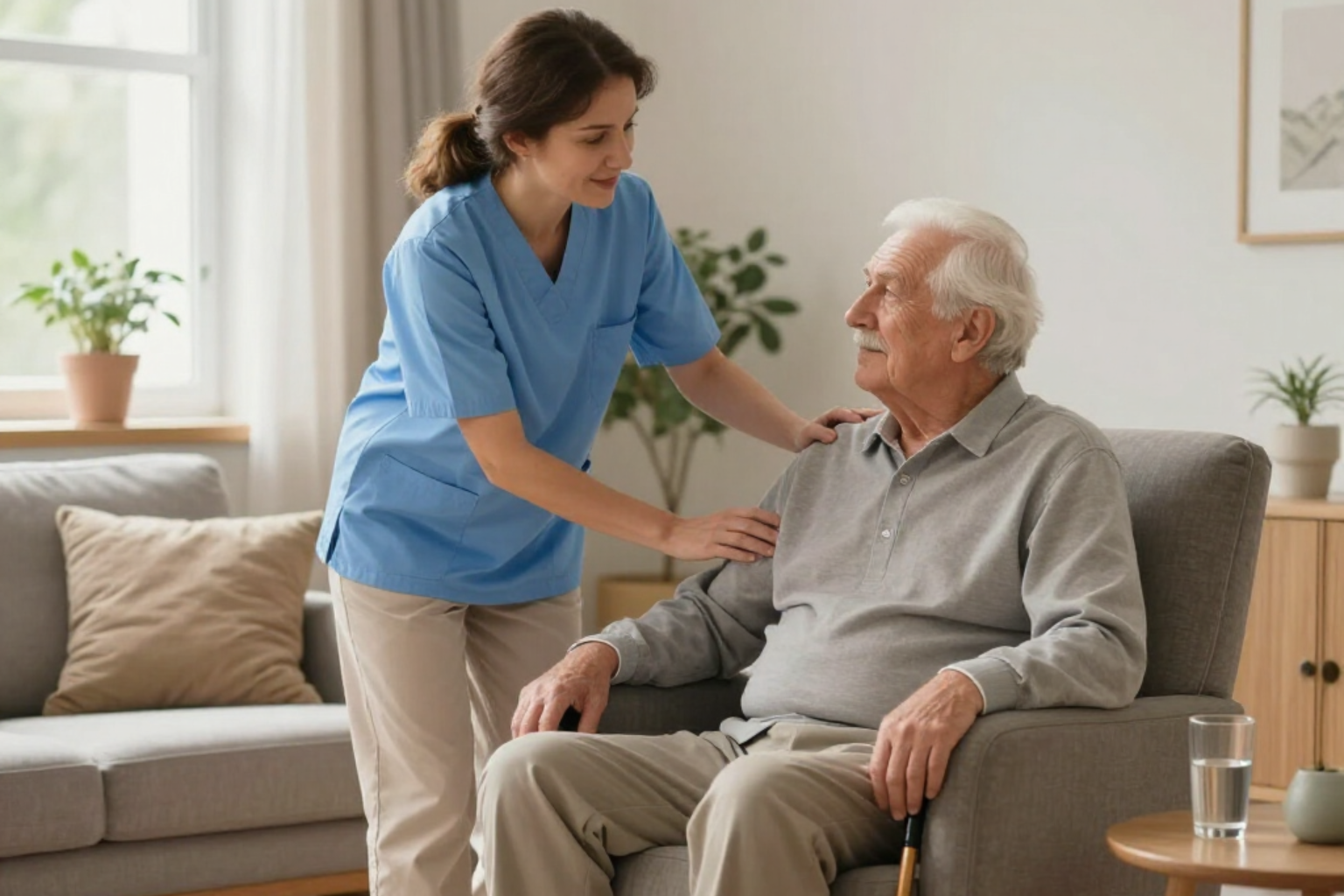
As people grow older, everyday tasks that once seemed simple can gradually become more challenging. Many seniors begin to need assistance with activities like cooking, transportation, housekeeping, or remembering medications. However, not all seniors require medical treatment or skilled nursing care. In many cases, what they truly need is reliable support with daily living.
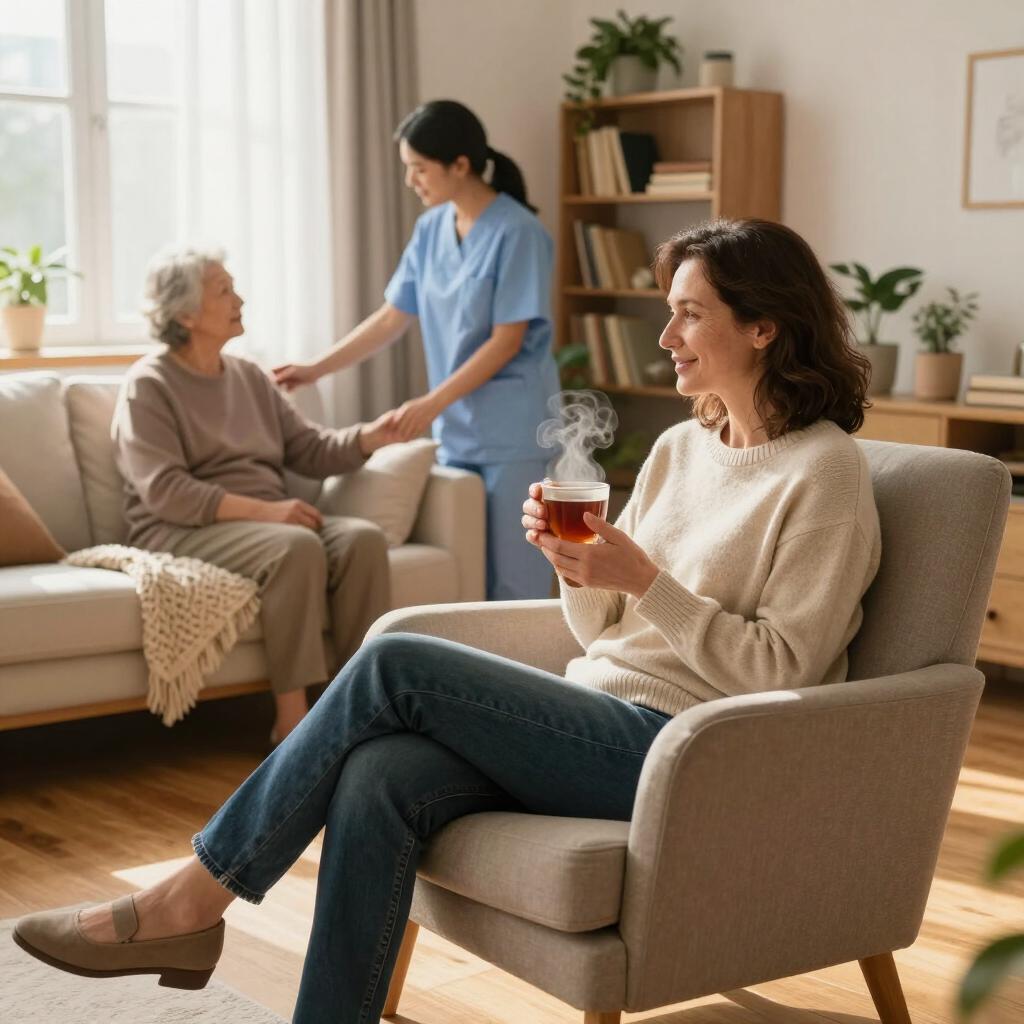
Non-medical home care provides that support. These services help seniors remain comfortable in their own homes while receiving assistance with daily routines, companionship, and practical needs. Instead of moving into assisted living facilities or nursing homes, many seniors can continue living independently with the help of compassionate caregivers.
For families in Utica, NY, non-medical home care offers peace of mind while ensuring elderly loved ones receive respectful and attentive support in a familiar environment.
What Is Non-Medical Home Care?
Non-medical home care refers to supportive services that assist seniors with daily living activities without providing medical treatment. Caregivers focus on improving the senior’s quality of life by helping with tasks that may have become difficult due to aging, illness, or mobility challenges.
Unlike medical home health services, non-medical home care does not involve administering medications, performing medical procedures, or providing clinical treatment. Instead, caregivers offer practical assistance and companionship that allows seniors to maintain independence while remaining safe at home.
These services are often flexible and can be scheduled based on each individual’s needs, whether that means a few hours per week or full-time daily support.
Common Services Included in Non-Medical Home Care
Non-medical home care includes a wide range of services designed to help seniors live comfortably and safely in their homes.
Companion Care
Companionship is one of the most valuable aspects of non-medical home care. Many seniors experience loneliness, especially if they live alone or have limited social interaction.
Caregivers provide companionship by:
- Engaging in conversation
- Playing games or puzzles
- Taking walks
- Watching movies together
- Participating in hobbies or activities
Regular companionship can improve mood, reduce loneliness, and support emotional well-being.
Meal Preparation
Preparing healthy meals can become difficult as seniors age. Caregivers assist with planning and preparing nutritious meals while considering dietary needs and preferences.
Meal preparation services may include:
- Cooking balanced meals
- Preparing snacks
- Assisting with grocery shopping
- Encouraging regular eating habits
Proper nutrition plays a critical role in maintaining health and energy levels.
Medication Reminders
While caregivers do not administer medications, they can provide reminders to help seniors stay on schedule with their prescriptions. This support helps reduce the risk of missed or incorrect doses.
Transportation Assistance
Many seniors eventually stop driving due to safety concerns or mobility challenges. Caregivers can assist with transportation to important destinations such as:
- Medical appointments
- Grocery stores
- Pharmacies
- Religious services
- Social events
Transportation services help seniors stay active and connected to their community.
Light Housekeeping
Maintaining a clean home can become physically demanding for seniors. Caregivers help with light housekeeping tasks such as:
- Laundry
- Washing dishes
- Tidying living spaces
- Changing bed linens
- Taking out trash
These tasks help create a safe and comfortable living environment.
Daily Routine Support
Caregivers can also assist seniors in maintaining daily routines. This may include reminders for appointments, helping organize daily schedules, or assisting with errands.
Maintaining structure and routine helps seniors stay active and engaged.
Who Can Benefit From Non-Medical Home Care?
Non-medical home care can benefit many seniors, especially those who want to remain independent but need occasional assistance.
Individuals who may benefit from these services include:
Seniors Living Alone
Older adults who live alone may struggle with daily tasks or experience loneliness. Regular visits from a caregiver provide both practical help and meaningful companionship.
Seniors With Limited Mobility
Mobility issues can make cooking, cleaning, or running errands difficult. Caregivers provide support that helps seniors continue living safely at home.
Seniors Recovering From Illness
After an illness or hospital stay, seniors may temporarily need assistance with daily routines while they regain strength.
Family Caregiver Support
Family members often take on caregiving responsibilities for aging parents or relatives. Non-medical home care can provide additional support and help reduce caregiver stress.
Seniors Who No Longer Drive
Transportation challenges can limit a senior’s independence. Caregivers help seniors attend appointments and remain socially active.
Benefits of Non-Medical Home Care
Many families choose non-medical home care because it offers several advantages compared to institutional care.
Comfort of Home
Remaining at home allows seniors to stay in familiar surroundings with their personal belongings and memories.
Personalized Support
Care plans can be customized based on the senior’s specific needs and preferences.
Greater Independence
Seniors receive help with challenging tasks while maintaining control over their daily routines.
Flexible Care Options
Services can be scheduled part-time, full-time, or occasionally depending on the family’s needs.
Family Peace of Mind
Knowing a trusted caregiver is assisting their loved one provides reassurance for families.
The Role of Compassionate Caregivers
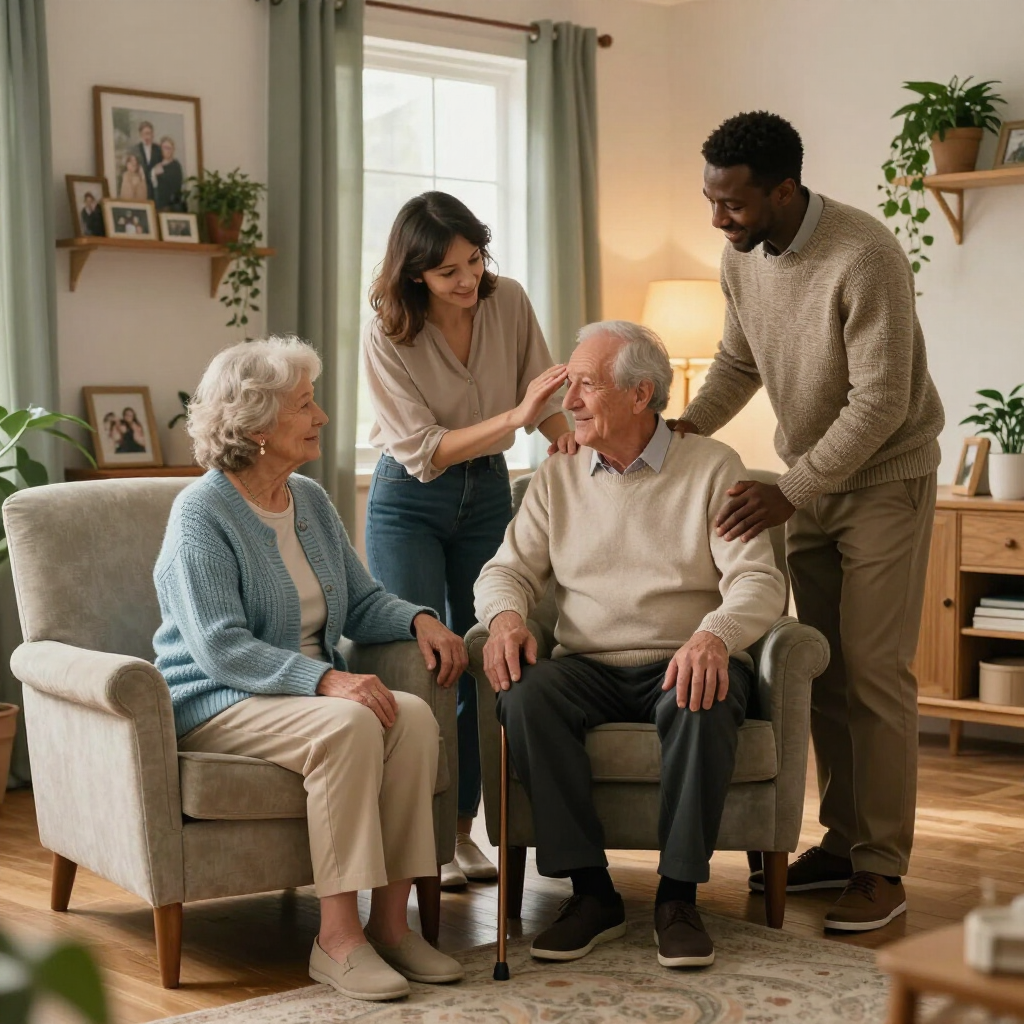
Caregivers play an important role in supporting seniors and improving their quality of life. Beyond assisting with tasks, caregivers provide emotional support and meaningful interaction that many seniors greatly value.
A compassionate caregiver treats seniors with patience, dignity, and respect. Building trust and strong relationships is essential to creating a comfortable caregiving experience.
For many seniors, caregivers become trusted companions who provide both practical help and friendly conversation.
How Non-Medical Home Care Supports Aging in Place
“Aging in place” refers to the ability for seniors to remain in their own homes as they grow older rather than relocating to a care facility.
Non-medical home care makes aging in place possible for many seniors by providing assistance with daily tasks that might otherwise become barriers to living independently.
When seniors receive the support they need at home, they often experience:
- Greater comfort and security
- Improved emotional well-being
- Increased independence
- Stronger connections with family and community
These benefits contribute to a higher overall quality of life.
Frequently Asked Questions
Is non-medical home care the same as home health care?
No. Home health care typically involves medical services provided by nurses or medical professionals. Non-medical home care focuses on daily living assistance and companionship.
Can non-medical home care be scheduled part-time?
Yes. Many seniors receive care for only a few hours each week, while others may need daily support.
Does non-medical home care include transportation?
Yes. Caregivers often assist with transportation to appointments, grocery stores, and other errands.
Is non-medical home care helpful for seniors who live alone?
Yes. Regular caregiver visits provide companionship, assistance with daily tasks, and additional safety support.
Compassionate Home Care Services in Utica, NY
Non-medical home care provides seniors with the support they need to remain independent while living safely in their own homes. With assistance from compassionate caregivers, seniors can continue enjoying familiar surroundings while receiving help with daily tasks.
Tatiana's Band Of Angels, LLC provides dependable non-medical home care services for seniors throughout Utica and surrounding communities within a 25-mile radius. Their caregivers are dedicated to helping elderly adults maintain independence, dignity, and comfort through compassionate in-home support.
Families seeking reliable care for their loved ones can contact the team to learn more about available services and personalized care options.
Phone:
(315) 327-8072
Email:
bandofangels21@gmail.com
Hours: Monday – Sunday, 9:00 AM – 5:00 PM